
Finger and wrist motion, measured between visits
Patients record their joint angles at home with a phone camera. Their hand therapist sees every reading, and DexterityIQ flags anyone whose extension slips over 48 hours, so a problem reaches the clinic within two days of it starting.
For certified hand therapists, hand surgery practices and their patients.
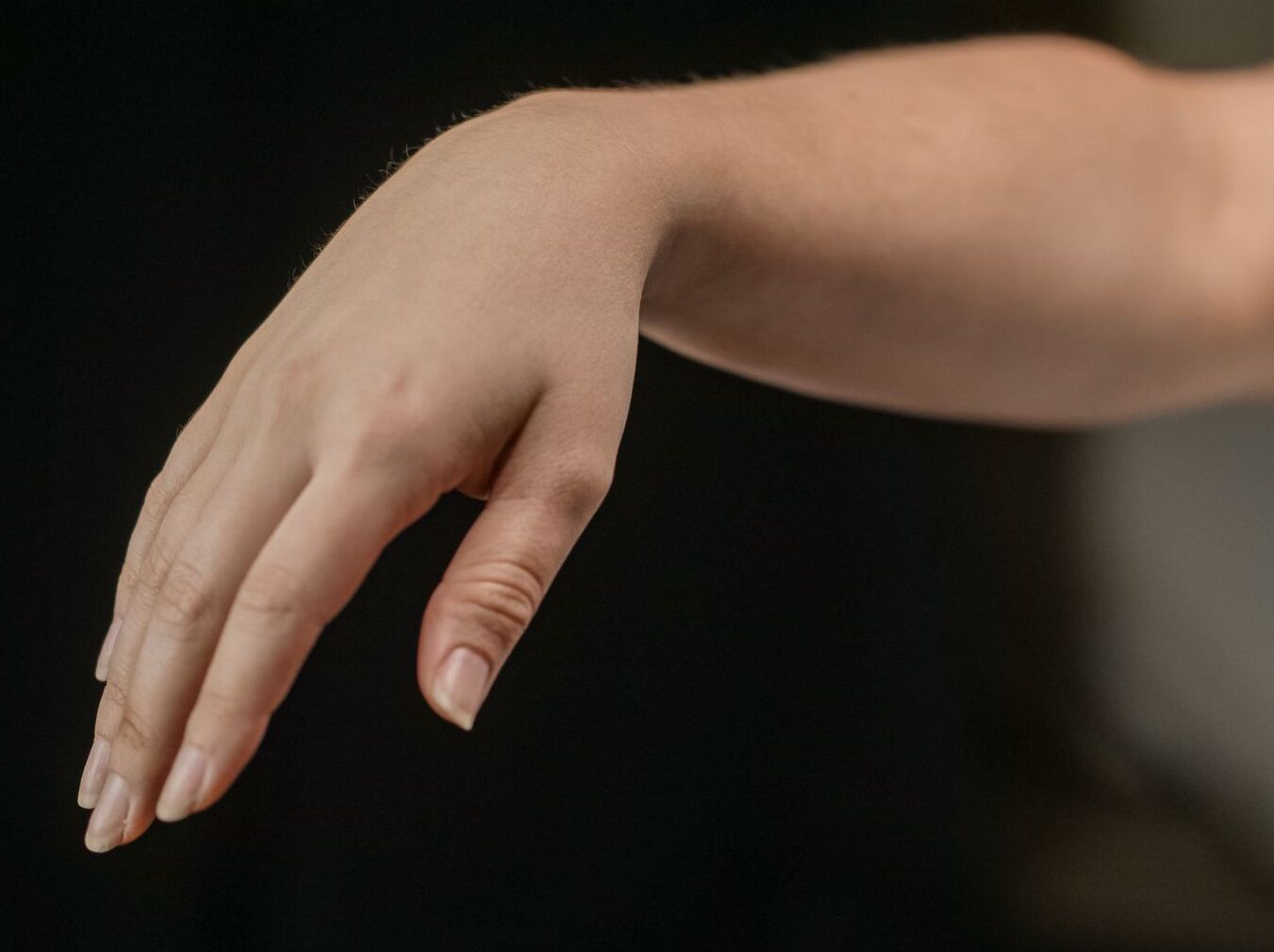 Right wrist, side view
How a reading is taken
It replaces the plastic goniometer check at each clinic visit and the paper exercise sheet that goes home with the patient. A reading takes under a minute.
-
The hand goes side-on to the camera
The patient props the phone up and holds the hand beside it. A guide on screen shows where the hand should sit and turns yellow when it lines up.
-
The app reads each joint
DexterityIQ tracks the joints across about a second of video and reads the angle at each one: MCP, PIP and DIP for the fingers, and flexion and extension at the wrist.
-
The reading goes to the clinic
It syncs straight away. With no signal it is stored on the phone and uploaded later with the time it was actually taken.
-
A drop in extension flags the patient
If extension at a joint gets worse by more than the clinic's threshold over 48 hours, the patient is flagged for follow-up, which is often the first sign of swelling or a tendon adhesion.
The therapist dashboard
A caseload view for the clinic. Each patient's range of motion is plotted day by day, against their other hand and against the thresholds the clinic set for their protocol.
- Daily range of motion for every tracked joint, with the change since the last reading
- Comparison with the uninjured hand, joint by joint
- Alert thresholds set per protocol and per joint
- Exercise changes sent to the patient's phone, including putty resistance
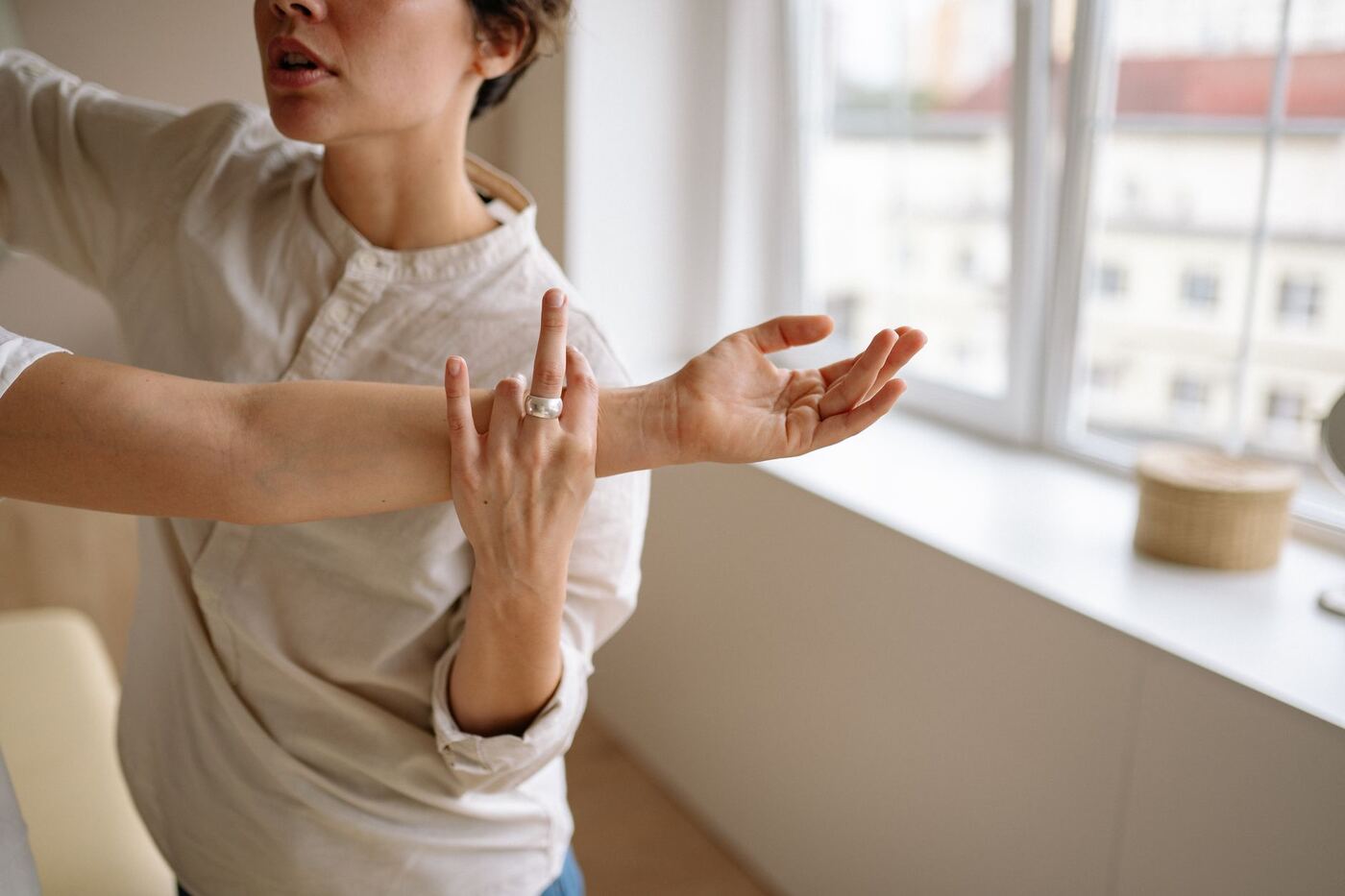
Between appointments
Home exercises arrive on the patient's phone with the reps and resistance their therapist set. They log splint wear as they go.
Clips, records and progress reports
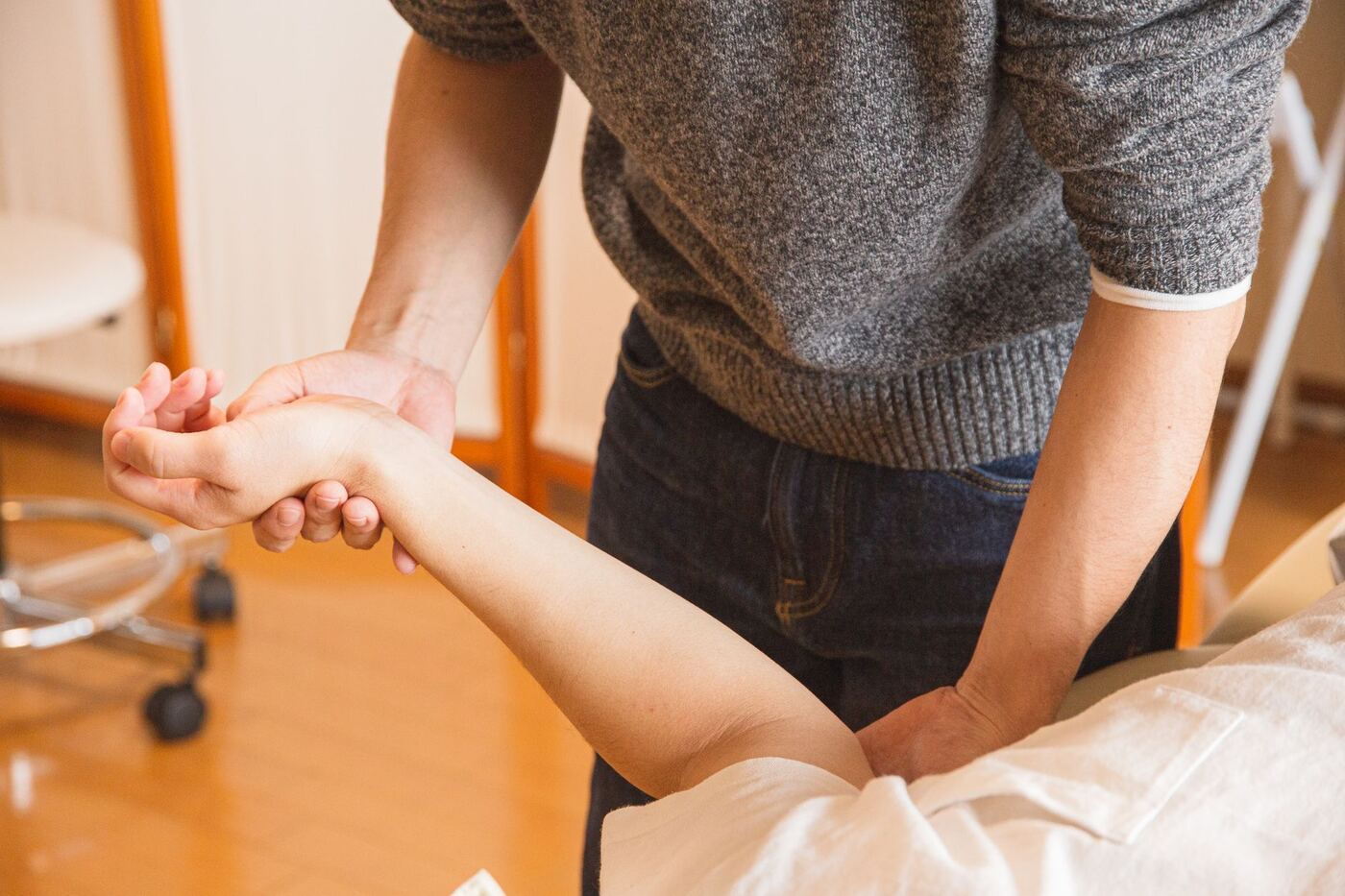
Each measurement keeps a short, encrypted video clip, so a surgeon can watch the joint move before a follow-up consultation.
Security and scope
DexterityIQ measures and records range of motion. It is not a diagnostic device, and it does not replace a clinician's assessment.
Questions from clinics
How does a camera reading compare with a goniometer?
The app only accepts a reading when the hand is side-on and fully in frame, and tells the patient how to fix the position otherwise. We suggest clinics compare the first week of readings with their own goniometer measurements before relying on the trend.
What happens when a patient is flagged?
The patient moves to the top of the therapist's caseload with the readings that triggered the flag. The therapist can message them, change their exercises or bring the next appointment forward.
Does the app work without a phone signal?
Yes. Exercise sessions, splint logs and measurements are stored on the phone and upload when it reconnects, each stamped with the time it was taken.
Which procedures is it set up for?
Flexor and extensor tendon repairs, nerve transfers, digit replantation and wrist fractures. Each has its own default thresholds, which the clinic can change.
Book a clinic demo.
Tell us about your clinic and we will walk you through the patient app and the dashboard with your own protocols.